
Free Shipping on Orders Over $50
Shop Now for Amazing Deals!

Are You Ready? A Practical Guide to Preparing for a Home Evacuation

Share it

Are You Ready? A Practical Guide to Preparing for a Home Evacuation

Emergencies rarely come with a warning. Whether it’s a wildfire, flood, hurricane, or gas leak, the difference between panic and control often comes down to one thing: preparation. Having a clear evacuation plan doesn’t just protect your belongings—it can save lives.

Why Evacuation Planning Matters

In a crisis, time is limited and stress levels are high. Without a plan, it’s easy to forget essential items, lose track of loved ones, or make unsafe decisions. Preparing in advance gives you clarity and confidence when every second counts.

Step 1: Build Your Emergency Kit

Start with a “go-bag” that you can grab at a moment’s notice. Keep it in an accessible place and check it every few months. Your kit should include:

  • Water (at least one gallon per person per day for 3 days)
  • Non-perishable food
  • Flashlight and extra batteries
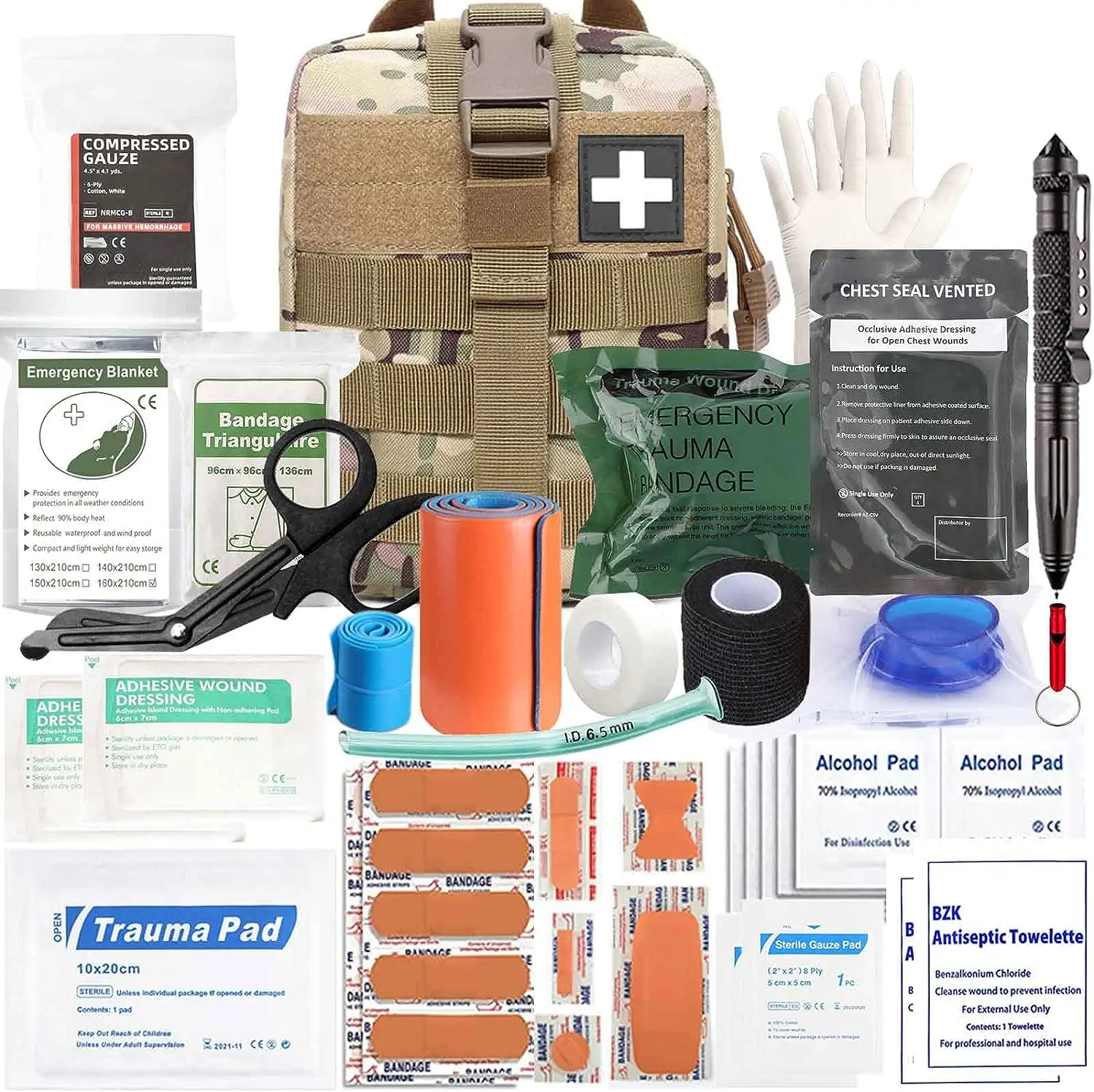
  • First aid kit
  • Medications and prescriptions
  • Copies of important documents (ID, insurance, medical records)
  • Phone chargers or power banks
  • Cash in small bills
  • Clothing and blankets

If you have pets, don’t forget their food, water, and supplies.

Step 2: Create a Family Evacuation Plan

Make sure everyone in your household knows:

  • Exit routes: Identify at least two ways out of your home and neighborhood.
  • Meeting points: Choose a safe location nearby and another outside your area.
  • Emergency contacts: Have a designated out-of-town contact everyone can check in with.

Practice your plan regularly so it becomes second nature.

Step 3: Stay Informed

Sign up for local emergency alerts and keep a battery-powered radio on hand. Knowing when to evacuate—and when it’s safe to return—is critical.

Step 4: Prepare Your Home

A few preventive steps can make evacuation smoother:

  • Keep important items in one place for easy access
  • Maintain your vehicle with at least half a tank of gas
  • Know how to shut off utilities if instructed
  • Install smoke detectors and fire extinguishers

Step 5: Plan for Special Situations

Think beyond the basics:

  • Children: Teach them what to do if you’re separated
  • Elderly family members: Arrange assistance if needed
  • People with disabilities: Plan for mobility and medical needs
  • Pets: Identify pet-friendly shelters or hotels in advance

Step 6: Don’t Wait Too Long

One of the biggest mistakes people make is delaying evacuation. If authorities advise leaving, do so immediately. Waiting can put you—and emergency responders—at greater risk.

Final Thoughts

Preparing for an evacuation isn’t about expecting the worst—it’s about being ready for anything. Taking a few simple steps today can make all the difference tomorrow. Peace of mind starts with a plan, and there’s no better time to create one than now.

Stay safe, stay prepared.

Home Improvement Essentials